







Search Results for: flowers and fruit
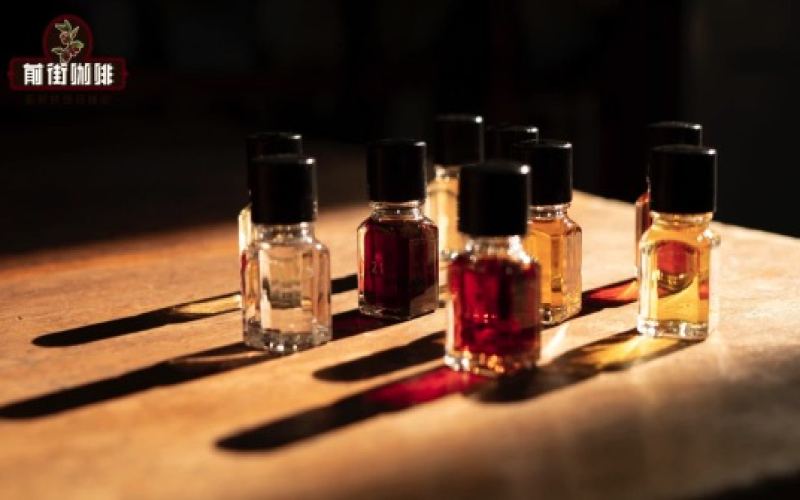
SCA Specially coffee flavor wheel | Understanding the flavor wheel is the first step in learning the flavors of coffee.
As an authoritative coffee flavor guide map, as long as it is used properly, the new partners who join can quickly categorize the flavors presented by the coffee, and after learning it, combined with practice, mastering the coffee flavor is simply a [more…]
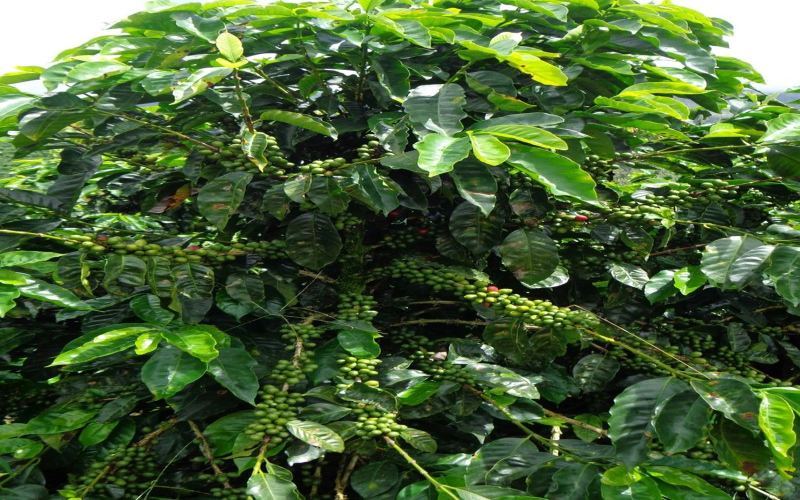
Floral Aromas from Bright to Mellow: How to Read Coffee Roast Levels
Floral coffee is not just one flavor. Light roasts more easily preserve notes of white flowers, orange blossom, jasmine, and tea; medium roasts bring florals together with caramel sweetness; and dark roasts usually push the florals into the background and shift toward cocoa, nuts, and roasted aromas. To choose a cup that suits your taste, you can first look at the roast level, then judge [more…]
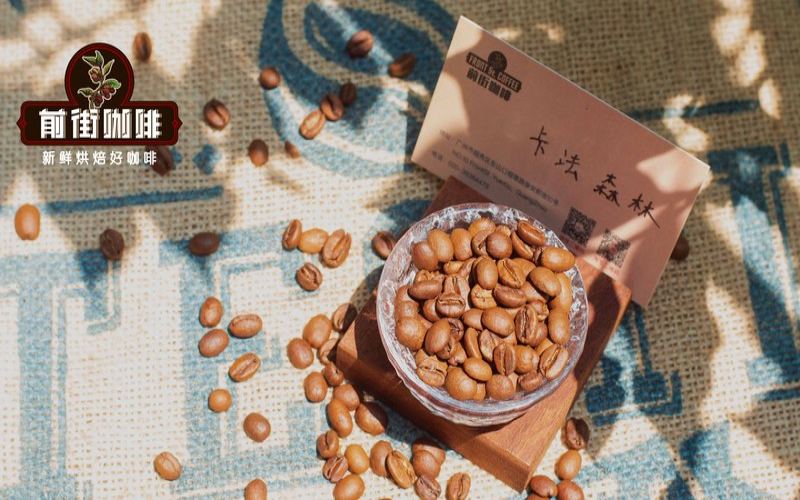
How to choose floral coffee by roast level
Floral aromas do not belong to just one type of coffee bean, nor do they only count as floral if you smell jasmine or orange blossom. A light roast can keep the soaring, flower-like aromatics in the cup; a light-to-medium roast brings the floral notes closer to fruity sweetness; and after a medium roast, they often turn into softer notes reminiscent of nectar, black tea, or caramel. If you want to choose a floral coffee that suits your taste, you can start with [more…]
From Botanical Characteristics to Harvesting and Processing: Essential Knowledge and Coffee Bean Understanding for Coffee Beginners
For those who are new to coffee, understanding its essence, botanical characteristics, growing conditions, and harvesting process is the first step toward building systematic knowledge. This article will unfold around the basic concepts of coffee, sorting through key points one by one—from the morphology of the coffee tree, variety classification, and suitable growing environment, to the harvest periods and green bean processing methods of major global producing regions. The article also covers related product information recommended by Front Street Coffee, as well as the specific practices of Macado specialty beans in quality control. Whether you are a coffee enthusiast or a barista just starting out, this content can help you more clearly understand the full story behind a cup of coffee. [more…]
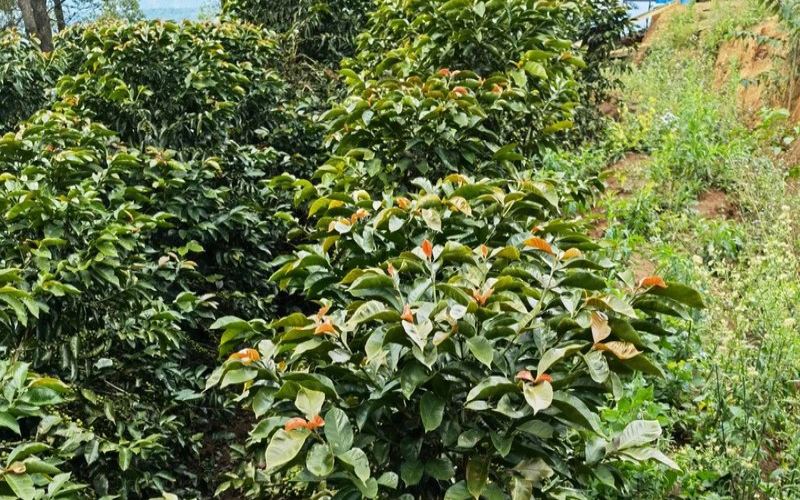
How to Choose Floral Coffee Beans: From Light to Dark Roast, Looking at Flavor
Floral coffee beans are usually light on the palate, with aromas that may resemble jasmine, orange blossom, or rose, and may also carry notes of white grape, citrus, or ripe berries. The roast level determines how these aromas present themselves: a light roast is more like freshly picked flowers, a medium roast gains a layer of honey-like sweetness, and a dark roast may turn into dried [more…]

Sidamo Natural Flower Kui | What are the characteristics of the Sidamo coffee-producing region in Ethiopia? What are the flavor characteristics of Flower Kui coffee beans?
The flavor of Front Street Ethiopian coffee beans is world-famous for its elegant floral notes, citrus, lemon, and tropical fruit aromas, along with a fruity tea-like mouthfeel. It is often the first-choice region for specialty coffee fans, especially Yirgacheffe and Sidama. So in this article, Front Street will introduce you to a famous Ethiopian coffee region—Sida [more…]
Ethiopia Sidamo Hambela Huakui 4.0: Dega Variety Natural-Process Coffee Bean Flavor and Pour-Over Analysis
In 2017, a naturally processed coffee from the Buku processing station in Ethiopia won the TOH competition and was named "Huakui" by a Chinese green bean trader, thus beginning the legendary journey of this coffee. Four years later, Huakui 4.0 was released with the entirely new Dega variety, with the production area expanded several times over, more scientific cultivation and management, and even better flavor performance. This article will take you through the origin background of Huakui 4.0, the characteristics of the Dega variety, the natural processing method, and Front Street Coffee's roasting and pour-over recommendations, offering a comprehensive analysis of this highly anticipated Ethiopian coffee. [more…]
Want floral notes? Which roast level should coffee beans be roasted to?
Floral notes are not exclusive to light-roasted coffee beans—as the roast level changes, the way floral notes present themselves changes too. Light roasts are more like freshly brewed floral tea, with an airy, uplifting aroma; medium roasts fold the floral notes into sweetness reminiscent of dried fruit, honey, or caramel; dark roasts push the floral notes into the background, leaving behind thicker cocoa, nut, and roasted [more…]
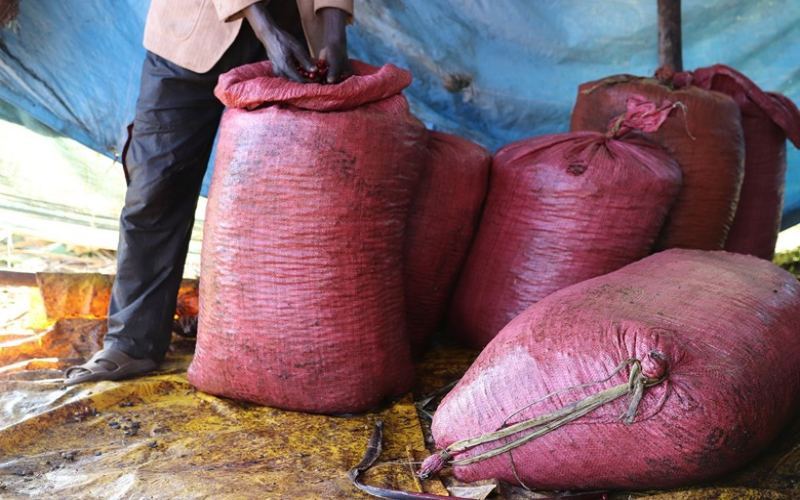
From a Coffee Cherry to a Cup of Coffee: The Seed-to-Cup Journey
Many people drink coffee every day, but few have thought about where it comes from. Before a cup of coffee is set before you, it has already traveled a long journey: from fruit on the tree, to the processing plant, to the roaster, and finally to your cup. This journey is worth taking a few minutes to understand. Starting from the seed: flowering and fruiting it all begins with [more…]

Analysis of Coffee Tree Potted Cultivation and Growing Region Conditions: From Plant Classification to Artificial Planting Practices
Coffee, this everyday beverage, originates from the fruit of the coffee tree. This article begins with its botanical classification and systematically examines the origins, growth habits, and suitable cultivation regions of the coffee tree. The coffee tree belongs to the genus Coffea in the family Rubiaceae and is an evergreen shrub, naturally distributed across the "Coffee Belt" between the Tropic of Cancer and the Tropic of Capricorn. Beyond commercial cultivation, the coffee tree can also be grown as an ornamental potted plant, displaying its unique charm in artificial environments. The article will explain in detail the coffee tree's growth cycle, pruning management, and planting applications in coffee shops, accompanied by multiple images to aid explanation, helping coffee enthusiasts gain a more comprehensive understanding of this plant's natural and cultivated growing requirements. [more…]

Floral and Fruity Camp in Pour-Over Coffee: Citrus, Berries, Tropical Fruits
Many people, upon trying pour-over coffee for the first time, are amazed by a flavor: it turns out coffee isn't just bitter; it can be acidic, sweet, and aromatic, like fruit tea or flowers. This is the beloved floral and fruity profile in pour-over coffee. Its charm lies in amplifying the original regional flavors of the coffee beans: Ethiopian [more…]
Floral and Fruity Single-Origin Bean Recommendation | For Sidamo Sun-Dried Huakui, is Light Roast or Medium Roast Better? Is Huakui Coffee Bean Better Suited for Pour-Over or Espresso?
With the "rise" of acidic coffee in recent years, I believe everyone has heard of the Flower Queen coffee. Just hearing the name makes it sound extraordinary; its bright citrus and berry notes, along with its juicy, delightful sweet-and-sour taste, leave a lasting impression. This article will introduce you to Flower Queen coffee. Flower Queen rose to fame in 2017, when Ethiopian [more…]
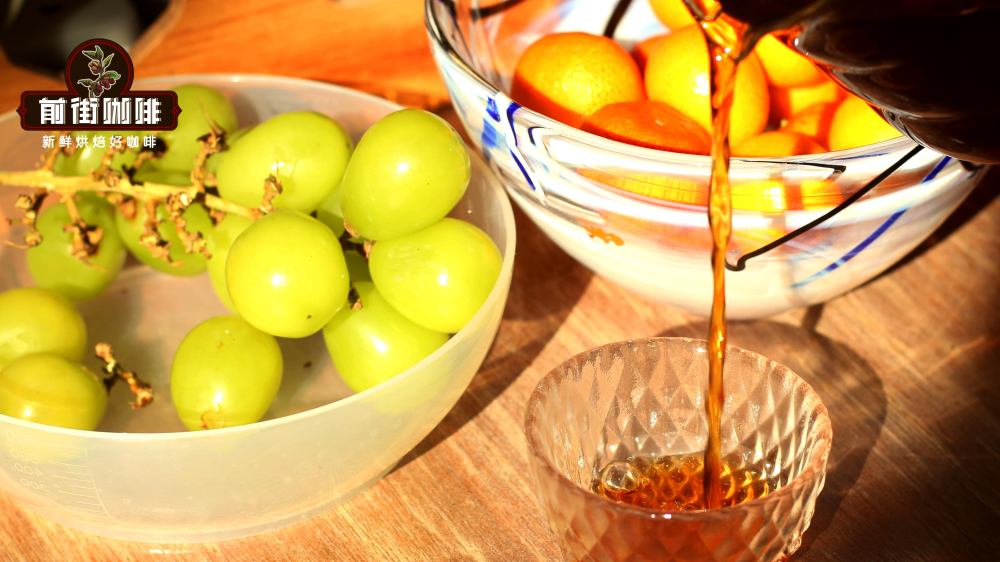
Coffee Sensory Tasting | How Can Coffee Novices Learn to Describe Coffee Flavors from Different Angles? How to Properly Develop Coffee Flavor Tasting Skills?
"This coffee has a rich fruity profile, with notes of citrus, lemon, oolong tea, and jasmine!!!" For someone who has just been introduced to specialty coffee, this might sound unbelievable—how can you taste so many flavors in one cup of coffee! (Are they just making it up?) In this installment of Barista Growth Diary, we'll share a little [more…]

Cold Brew Coffee Brewing Steps | What Water to Use for Cold Brew Coffee? How to Choose Single-Origin Beans for Cold Brew Coffee? What Is the Coffee-to-Water Ratio, Time, and Grind Size for Making Cold Brew Coffee?
For more specialty coffee knowledge, please follow: Front Street Coffee (Frontsteet Coffee). A while ago, Front Street shared a guide on how to make cold brew coffee, and afterward many readers started asking in the comments how to choose beans for cold brew. So today, let's analyze and answer this question together. [more…]
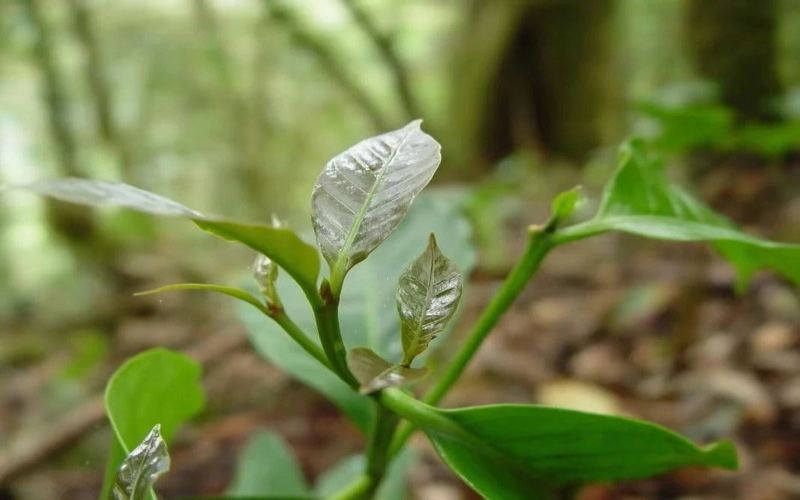
Light Roast Pour-Over Bean Recommendations: Cup Differences Across Three Roast Levels
Light-roasted coffee beans are not limited to just one flavor. Slight variations in roasting time and heat will steer the acidity, sweetness, aroma, and body in the cup in different directions. Lighter beans tend to express floral and citrus notes, mid-range light roasts enhance juiciness, and beans approaching a light-medium roast are softer and rounder, suitable for slowly transitioning from fresh flavors. [more…]

How to Choose a Medium-Light Roast Yirgacheffe: Floral Notes, Fruit Acidity, and Brewing Tips
A light-to-medium roast Yirgacheffe typically places bright floral aromas, citrus acidity, and a light tea-like body at the center of the cup. It doesn't rely on the heavy bitterness brought by dark roasting to assert its presence; instead, it uses fresh aromas and delicate sweetness to create layers, making it suitable for drinking alone in the morning, for afternoon reading, and for those who want to start developing their palate with black coffee. [more…]
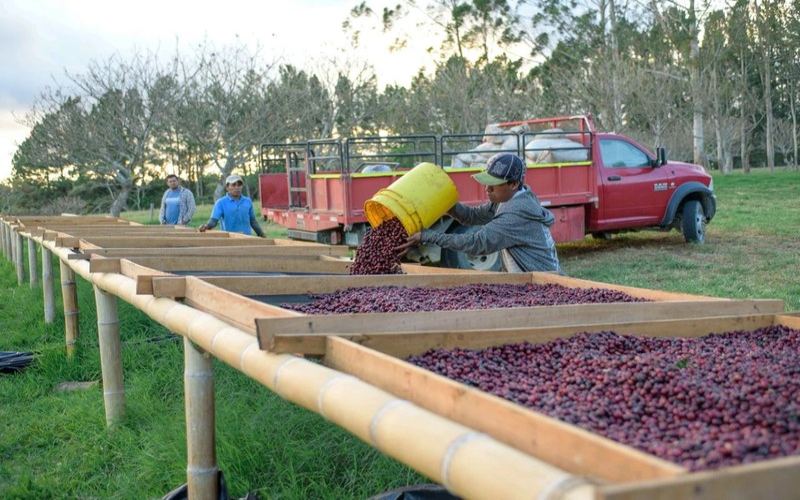
Recommendations for Light-to-Medium Roast Yirgacheffe Beans: Roast Level Determines How to Brew
Medium-light roasted Yirgacheffe is often prized for its floral, citrus, and berry aromas, but even when a coffee is labeled "medium-light roast," the brightness in the cup can still vary. Toward the lighter end, the aroma is more delicate and the acidity more lively; toward the medium side, sweetness, body, and smoothness gradually increase. When choosing beans, first see which end it falls on, then [more…]
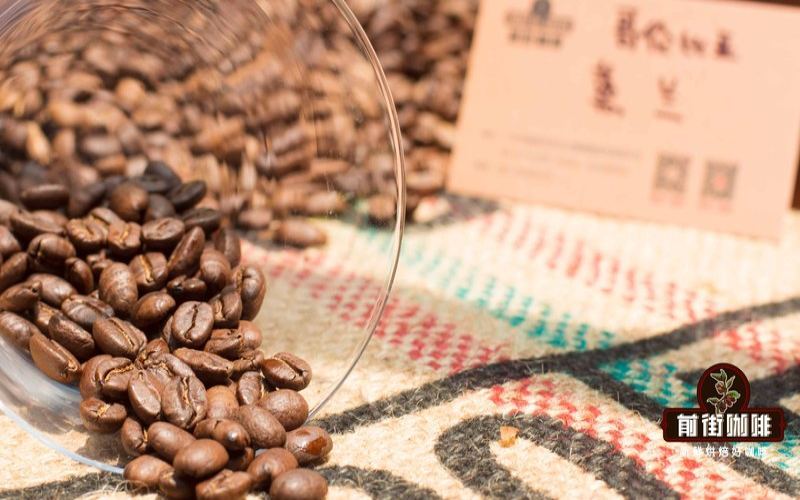
How to Choose a Pour-Over with Floral and Fruity Notes: A Flavor Guide from Light to Medium Roast
If you want to taste floral, citrus, berry, or tropical fruit notes in your pour-over, roast level is a very useful clue to follow. Light roasts more easily preserve the bright aromas brought by origin and processing method, medium-light roasts add sweetness and roundness, and medium roasts soften the floral and fruity character, making each sip more stable. Based on the acidity you like [more…]
High-Resolution Coffee Flavor Wheel Reference Chart Download | How Can Coffee Beginners Understand the Coffee Flavor Wheel? How to Taste and Describe Single-Origin Coffee Flavors?
A large part of the reason the coffee flavor wheel was created was to meet the tasting standards that emerged after coffee became more specialty-oriented. It also drew on wine tasting and cupping, gradually evolving from vague, general flavor descriptions into a detailed, logical flavor wheel. The first version of the coffee flavor wheel was released in 1995, [more…]
Cold Brew Bean Guide: Bean Selection Plans for Every Budget and Taste, All in One Place
Once you've decided to start making cold brew, the first question is always the same: which beans should I buy? Today, we're giving you three bean plans based on two dimensions—budget and taste—so whether you're just "casually drinking" or "seriously savoring," you can find the right match. Plan One: Beginner's tasting type (spend a little first to test the waters). If you're making cold brew for the first time, don't [more…]